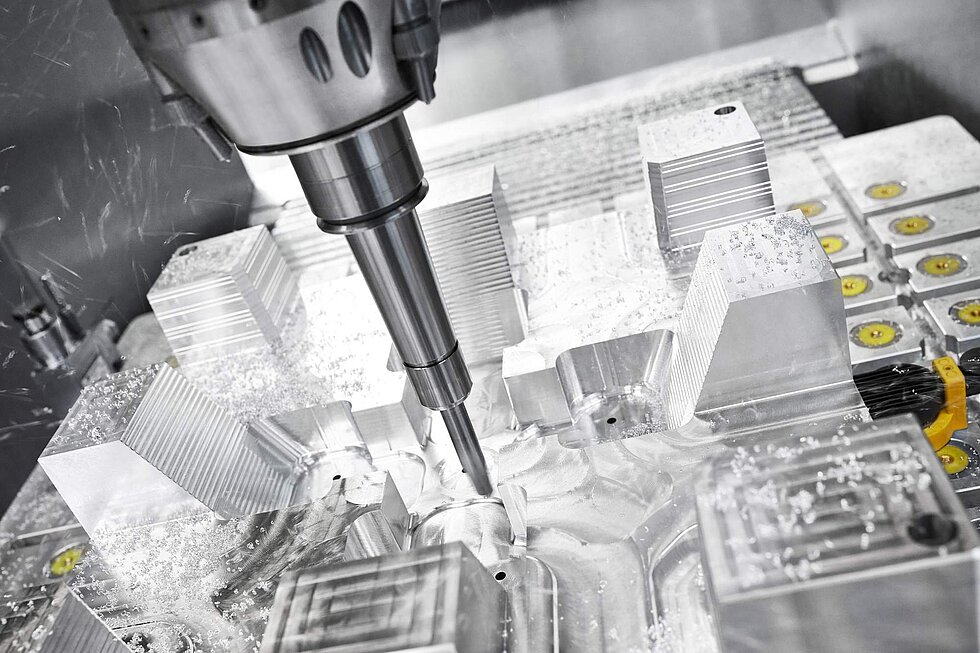
Toolmaking for injection-moulded parts
Up to 100,000 parts from aluminium mouldsPre-production plastic prototypes, complete pre-production and small-batch runs, production runs of up to 100,000 units – and all within an extremely short lead time? Our specialist toolmaking department for injection-moulded parts and our dedicated team make it possible!
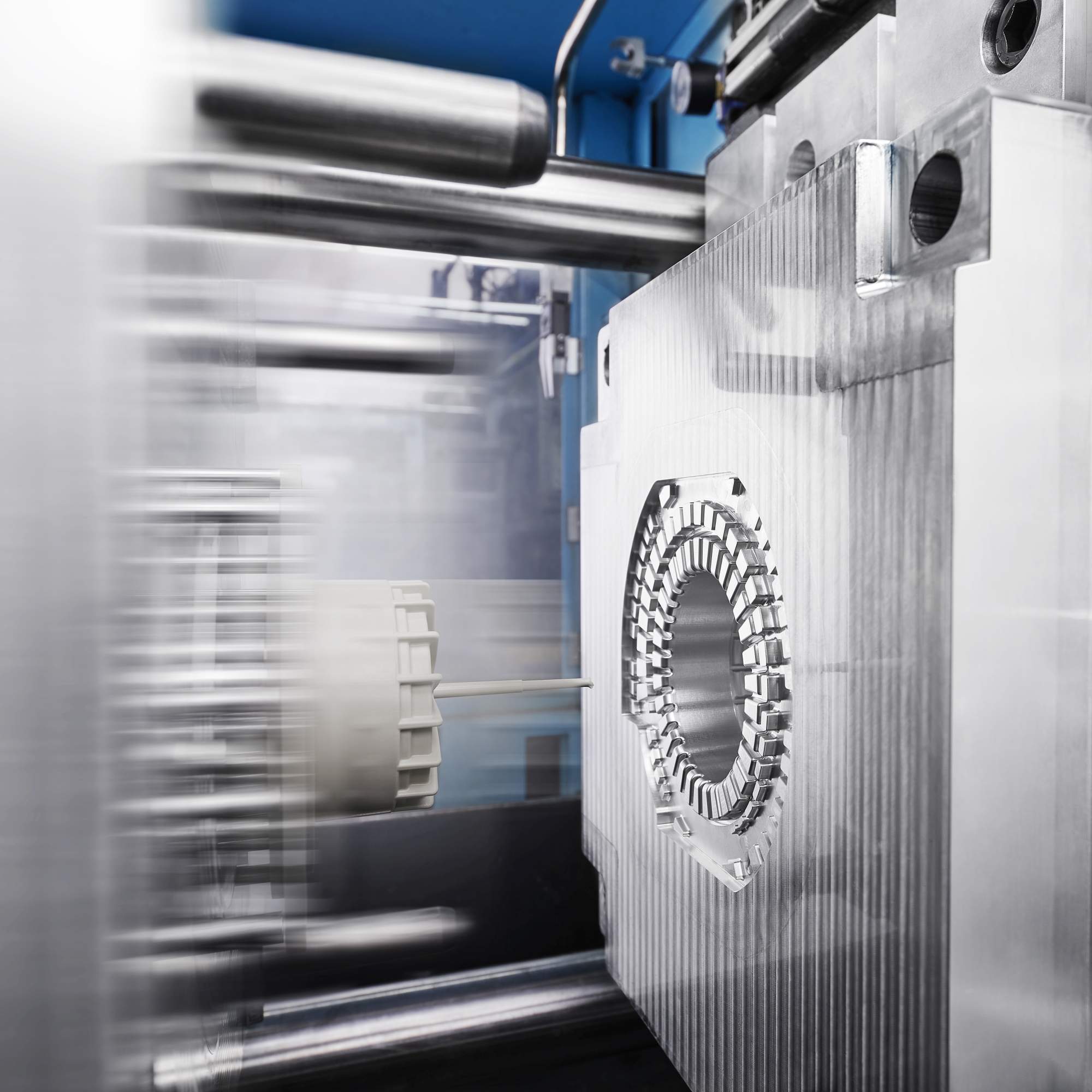
In our mould-making department, we rely on rapid tooling, which always involves producing an aluminium injection mould. The result: original materials are used for your injection-moulded parts. The result: a plastic prototype of production quality, whose properties are virtually indistinguishable from the original. With textured surfaces and the option to even produce transparent components using polished cavities.
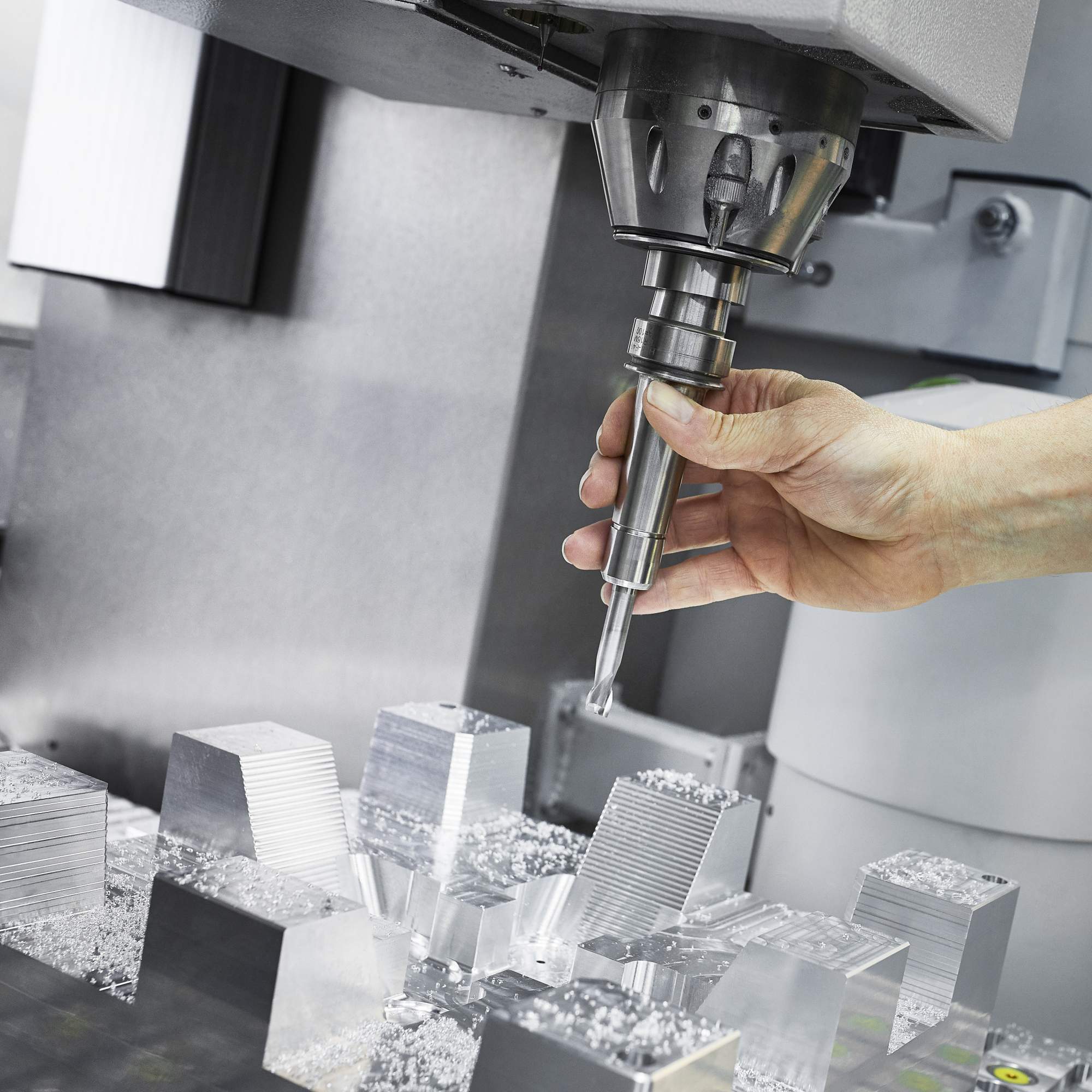
Using high-speed machining (HSC) , we manufacture moulds and tools from high-strength aluminium in our toolmaking department – guaranteeing extremely short lead times. Thanks to the special aluminium alloy, we can produce complete pre-production and small series runs. These are key advantages over conventional mould making, saving you time and money thanks to rapid tooling.
From the initial idea to small-batch productionOur injection moulding machines process all thermoplastics and, depending on the material and application, can produce runs of up to 100,000 parts or more. Even before the project begins, you will receive a realistic assessment of the quantities that can be produced in a cost-effective manner. We canalso producecomplex components at short notice and with flexibility. Aluminium moulds enable rapid adjustments during the development and manufacturing process and ensure efficient workflows. Your dedicated contact will support you throughout the entire project – from development and design right through to the finished injection moulding solution. | Rapid Tooling at SolidtecWhat are the advantages of aluminium moulds over conventional steel moulds? How much does the rapid tooling process cost? What production volumes are possible? In our comprehensive FAQs ,we have summarised the most important questions and answers regarding rapid tooling and aluminium moulds for you. |
Why choose
Rapid tooling rather than 3D printing
"Only small batch sizes", "poor surface finishes", "only suitable for prototypes", "undercuts cannot be demoulded using a slide": there are numerous (false) myths surrounding rapid tooling.
That is why many customers opt for 3D-printed plastic parts. Yet many are unaware of just how cost-effective the production of injection-moulded parts can be thanks to rapid tooling using aluminium moulds.
If 3D printing is no longer sufficient for you because you need more than just “model-making prototypes”, we can help you efficiently with rapid tooling!
Prototype manufacturing: Disadvantages of 3D printing
Do these or similar situations sound familiar to you?
I’ve printed some plastic prototypes and have now realised that…
- ... they do not meet my strength requirements at all.
- ... the parts do not have a satisfactory surface finish without extensive reworking.
- ... I actually need a larger quantity, but a mass-production injection moulding company isn’t interested in a run of 1,000 pieces at all.
The benefits of rapid tooling
Here are the benefits of manufacturing your plastic parts using rapid tooling:
- Superior surface quality
- The mechanical properties of the original materials are retained
- Overmoulding is possible
- Multi-component parts
- Small batches of up to 100,000 injection-moulded parts and more

Design of
tools made from aluminium
Process-optimised project management
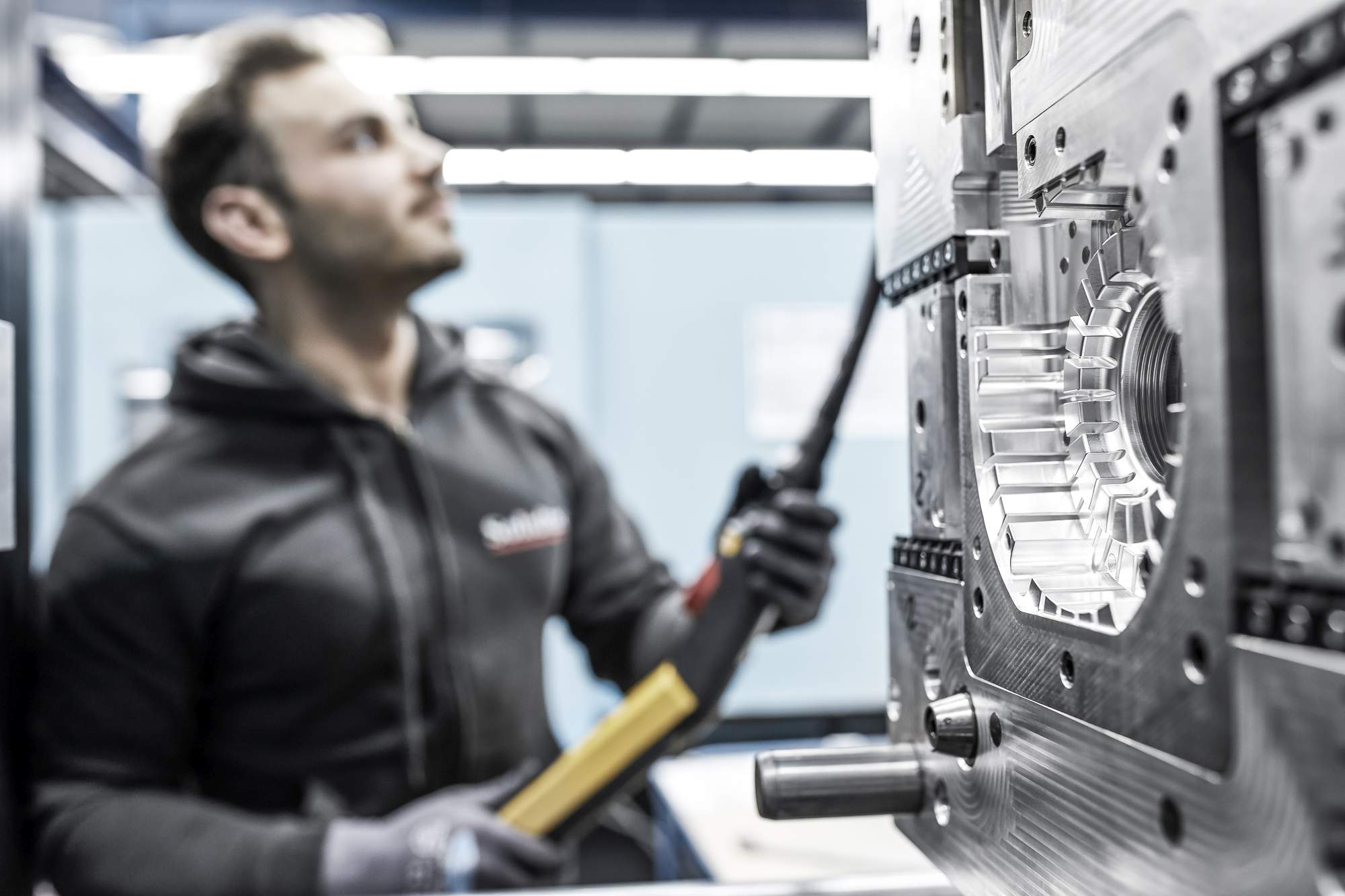
For us, process-optimised project management means streamlined decision-making and production processes, clear lines of responsibility and direct coordination. To ensure this, you will have a dedicated point of contact for your project. They will oversee every stage – from design through aluminium mould making with rapid tooling right through to the production of your injection-moulded parts. Reliable, flexible and always on schedule.
Internally, our team comprises 20 experienced project managers who ensure rapid and efficient project management – even for technically challenging or time-critical projects. From initial contact to delivery of the first prototype, we typically require fewer than 20 working days.
For particularly tight schedules, we offer solutions such as overtime shifts. Partial deliveries from our injection moulding department are usually made within one to two weeks.
Implementation & File Formats
The implementation of a project begins with a detailed project meeting between you and the relevant project manager. The information gathered during this meeting is incorporated directly into the subsequent 3D design of the aluminium mould using CAD.
We accept the following file formats for design:
- STEP
- IGES
- STL
- Other formats available on request
The aluminium injection mould is then manufactured using CAM on one of our 40 milling machines as part of the rapid tooling process.
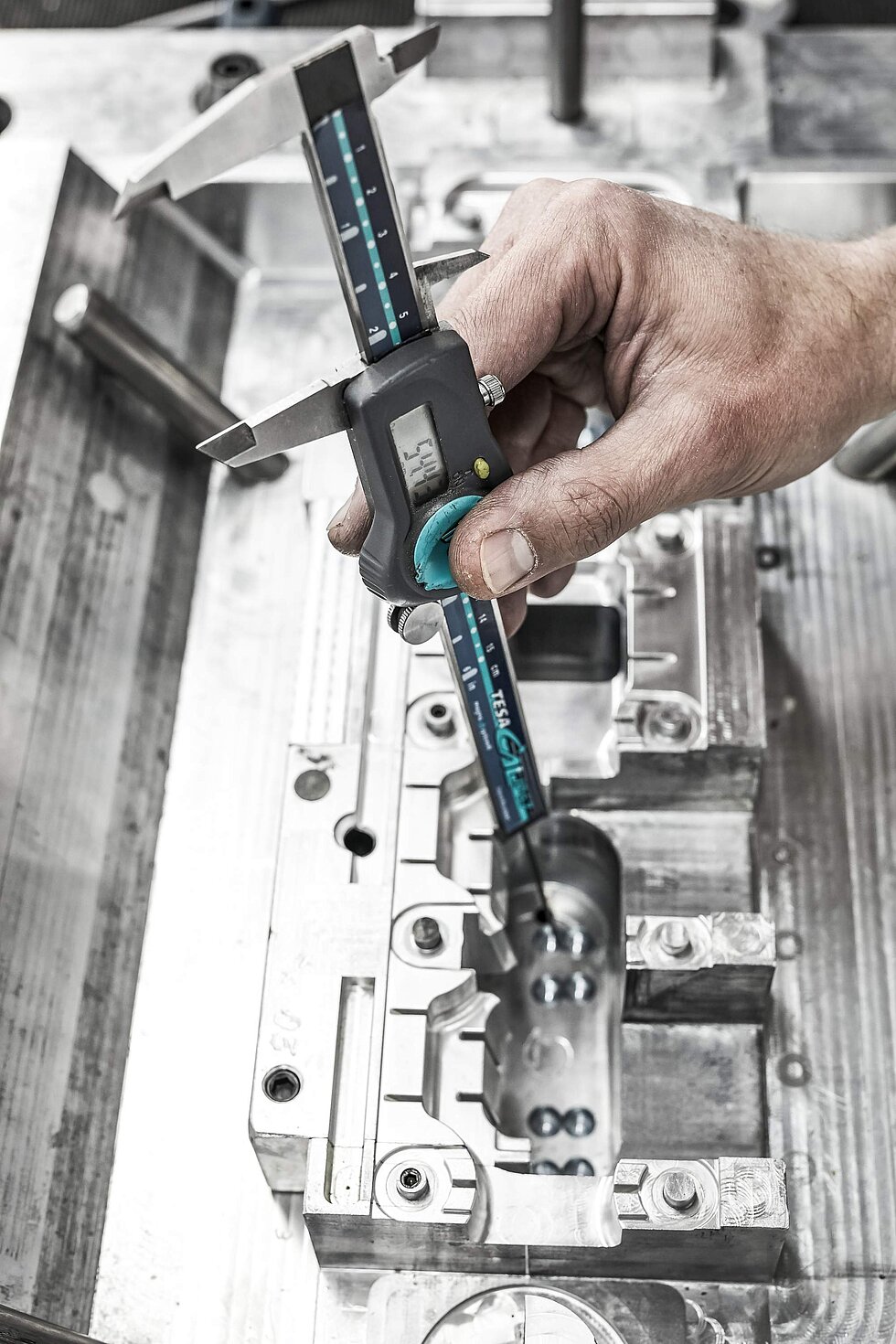
Flexible mould making for injection-moulded parts
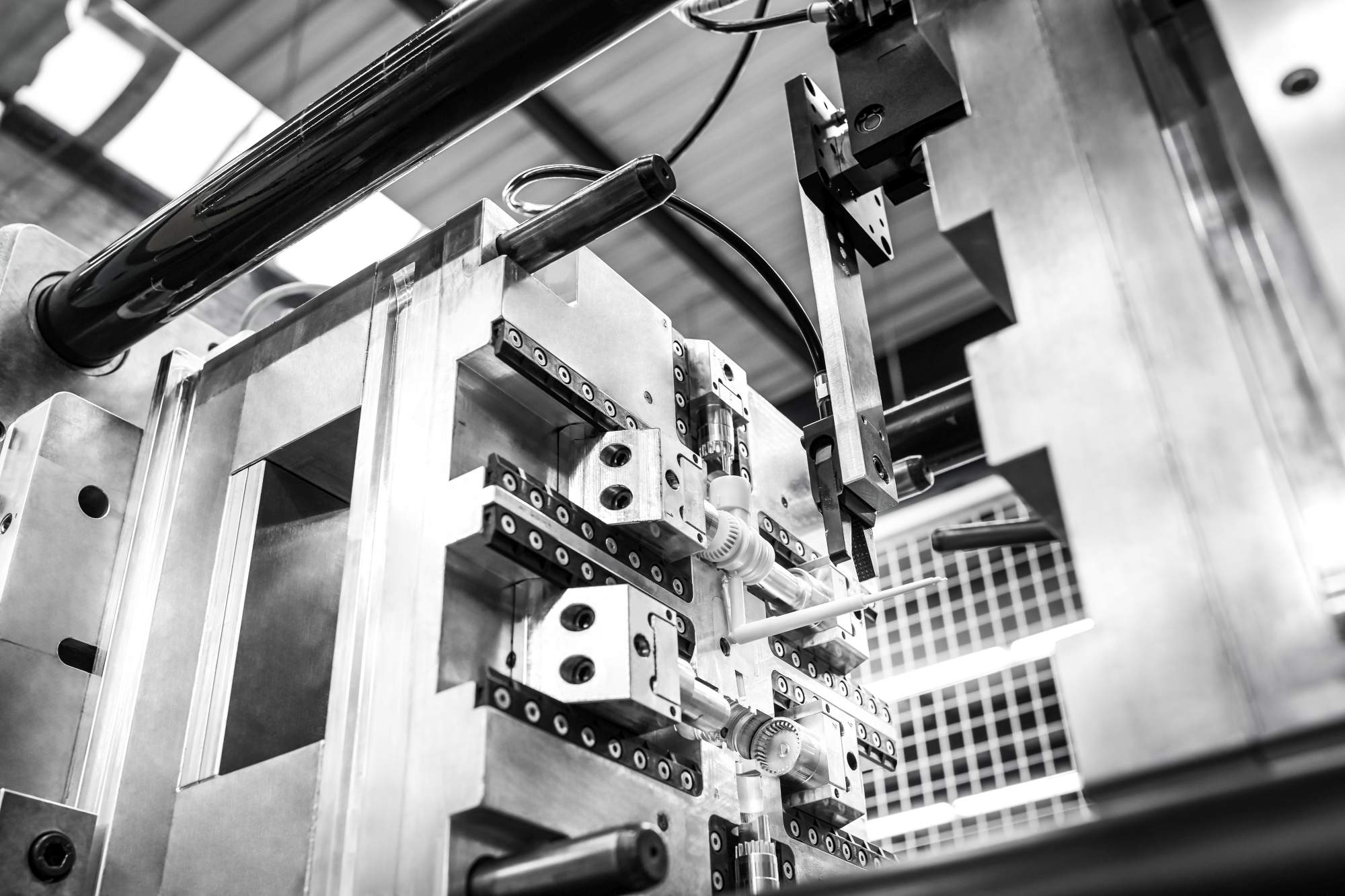
Speed and precision thanks to aluminiumThe production of an injection mould, including trimming and the installation of the ejector and sprue systems, takes place in our state-of-the-art toolmaking facility for injection-moulded parts. Benefit from our expertise in tool and mould making with aluminium, which enables us to operate quickly, flexibly and reliably – particularly when it comes to honouring our commitments to you. For repairs, we rely on our in-house laser welding system, which ensures the highest precision when restoring your aluminium tools.
Form follows function – but which functions and properties are crucial for your specific component? Before we mill your aluminium injection mould from a high-strength aluminium alloy on one of our 40 HSC machining centres, we design it based on your 3D component data. Our experienced mould-making team specialising in plastics technology ensures a precision-fit finish, tailored to your requirements.
In addition, we provide comprehensive advice on optimising your injection-moulded parts to suit the specific properties of the plastic. Working alongside you, we combine what is technically feasible with what makes economic sense. Using our high-precision milling machines, we not only produce bespoke solutions but can also manufacture a complete aluminium injection mould virtually overnight – with a production process that is 99 per cent machining-based and largely automated.
Do you have any questions about the manufacture of aluminium moulds in our in-house toolmaking department?
Please contact us by telephone on +49 6071 9229-0, or by email at info@solidtec.de or via our contact form.
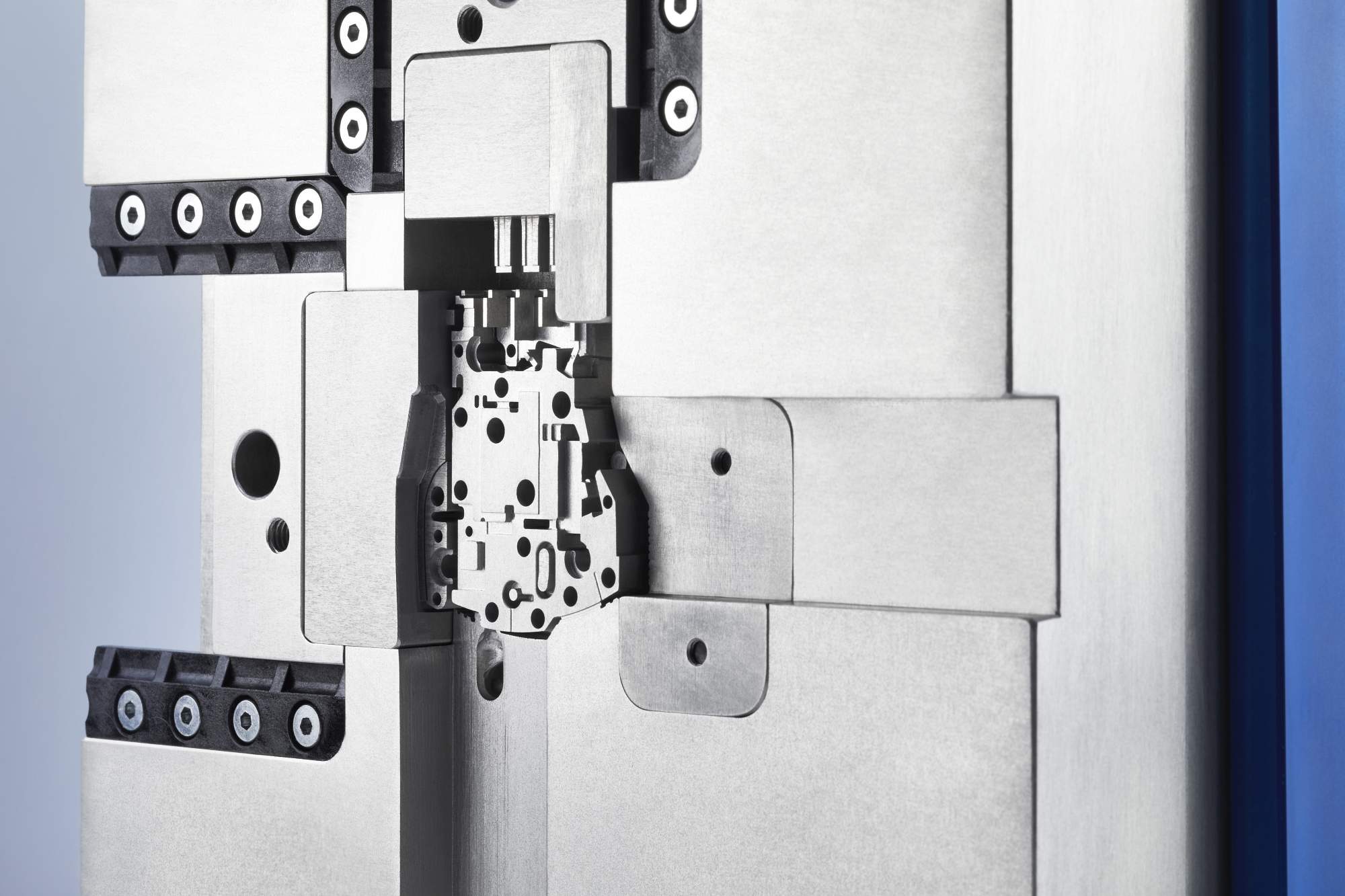
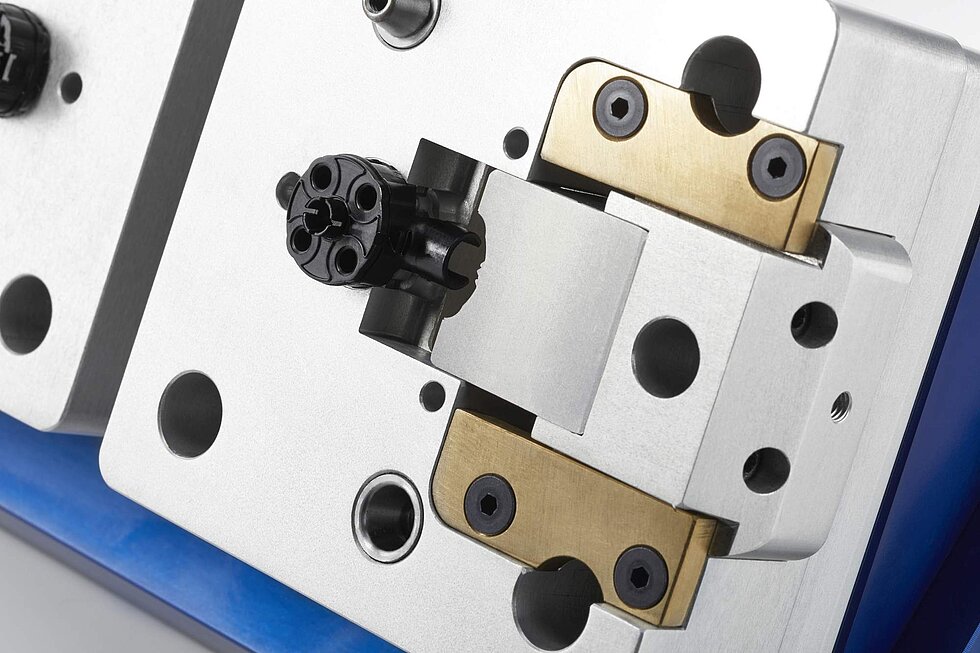
Examples of our aluminium moulds for plastic injection moulding


Frequently asked questions about aluminium injection moulds
FAQ on Rapid ToolingWhether it’s durability, output, general benefits or suitability for complex components: in our FAQs on rapid tooling, you’ll find answers to frequently asked questions about the manufacture of aluminium tools at Solidtec.
Aluminium moulds are ideal for prototypes and small production runs. Depending on the plastic used and the complexity of the component, an aluminium mould from our mould-making department can be used to produce up to 100,000 injection-moulded parts or more .
Aluminium enables injection moulds to be manufactured more quickly and cost-effectively . It also offers excellent thermal conductivity, which results in shorter cycle times.
Aluminium injection moulds are less wear-resistant than steel moulds and are therefore less suitable for very large production runs. However, they offer excellent value for money for prototypes and small production runs.
Thanks to aluminium being easier to machine, tools can be manufactured in a significantly shorter time than comparable steel tools, which can lead to a faster time-to-market for your products.
Yes, with modern manufacturing techniques, aluminium moulds can be used to produce even complex geometries and sophisticated designs. They also allow for rapid adjustments in the event of design changes.
The use of aluminium in mould making significantly reduces tooling costs, particularly in the production of plastic prototypes and small batches. Furthermore, the fact that aluminium can be machined more quickly reduces production time and, consequently, the overall costs compared with steel moulds.