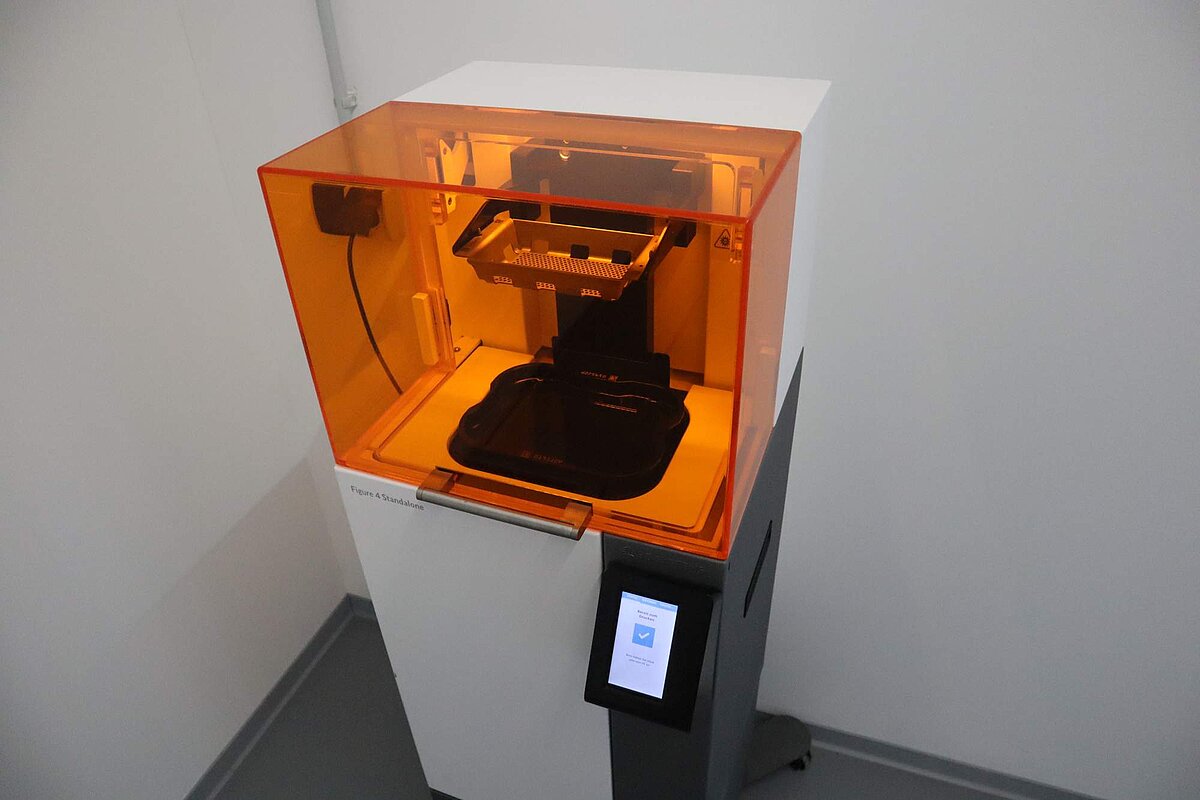
What is additive manufacturing?
3D printing explained simplyAdditive manufacturing, also known as additive manufacturing , refers to the production of plastic parts by adding material layer by layer to create individual components. In contrast to additive manufacturing, traditional manufacturing processes such as turning, drilling and milling involve the creation of components through the targeted removal of material.
Plastic components produced using additive manufacturing are often referred to as ‘3D-printed components’. This term has likely come into use in recent years due to the widespread adoption of the technology, particularly affordable 3D printers. However, many of the processes involved – as well as the additive manufacturing of plastic components itself – have a long history.
The fundamentals and processes underlying today’s 3D printing were developed as early as the 1980s. Solidtec itself began in the mid-1990s by producing 3D-printed components and tools; it has therefore been closely associated with and experienced in 3D printing since its inception.
Advantages of 3D printing and rapid prototyping
Suitable for functional models or prototypesThe advantages of 3D printing and rapid prototyping using additive manufacturing lie primarily in the production of functional prototypes and the manufacture of plastic parts in very small batches or as one-offs. When something needs to be demonstrated very quickly at a meeting, prototyping using additive manufacturing can produce tangible development studies – particularly where, for cost reasons, tooling seems impractical or only 1 to 10 prototypes are required.
With rapid prototyping via additive manufacturing, virtually any conceivable shape can, in principle, be realised without having to adhere to traditional design principles for plastic parts (undercuts and demouldability, wall thicknesses and material build-up, and the manufacturability of the moulds for the component). Even components at an early stage of design can be produced as prototypes and tested in this way.
With 3D printing rapid prototyping, even ‘impossible’ functional samples can be produced. In addition to these rather specific characteristics, additive manufacturing also enables a very short production time to the finished sample or plastic prototype.
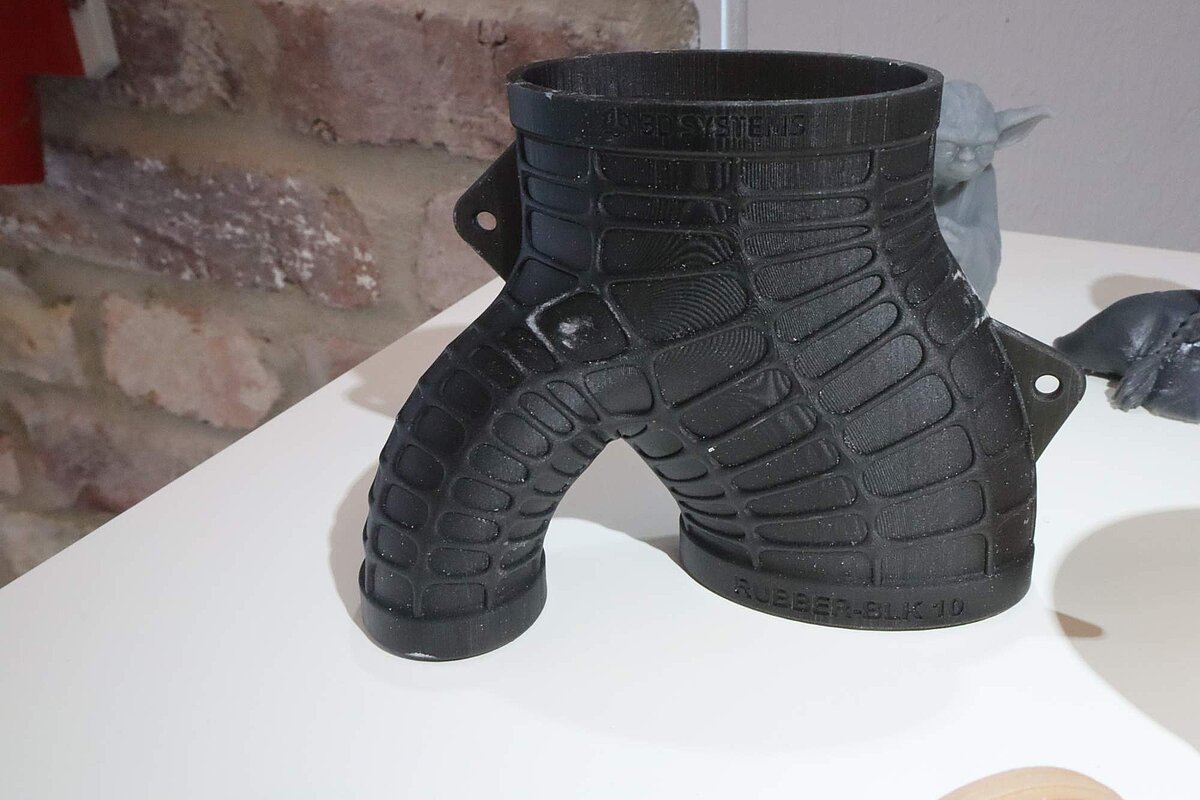
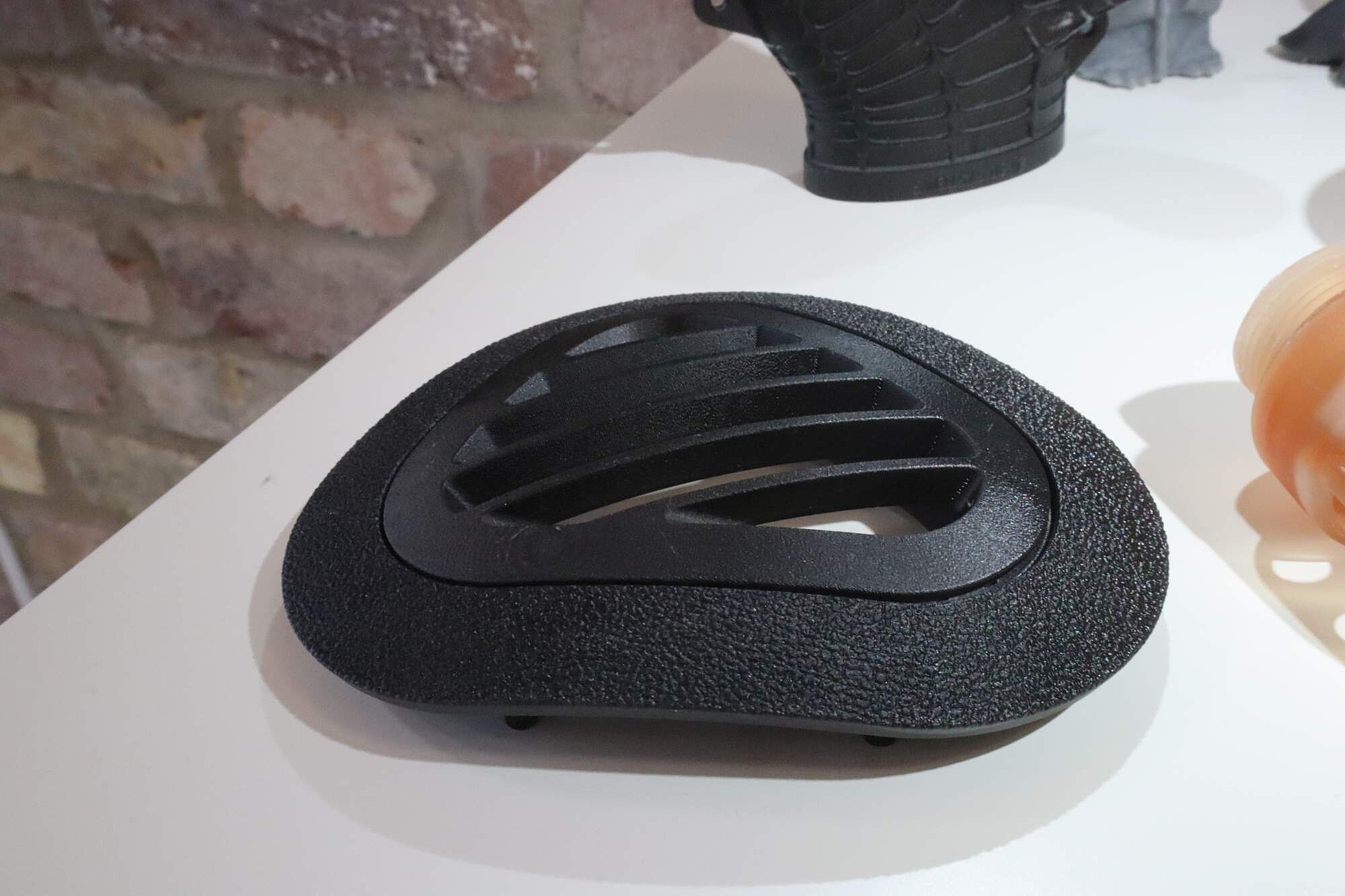
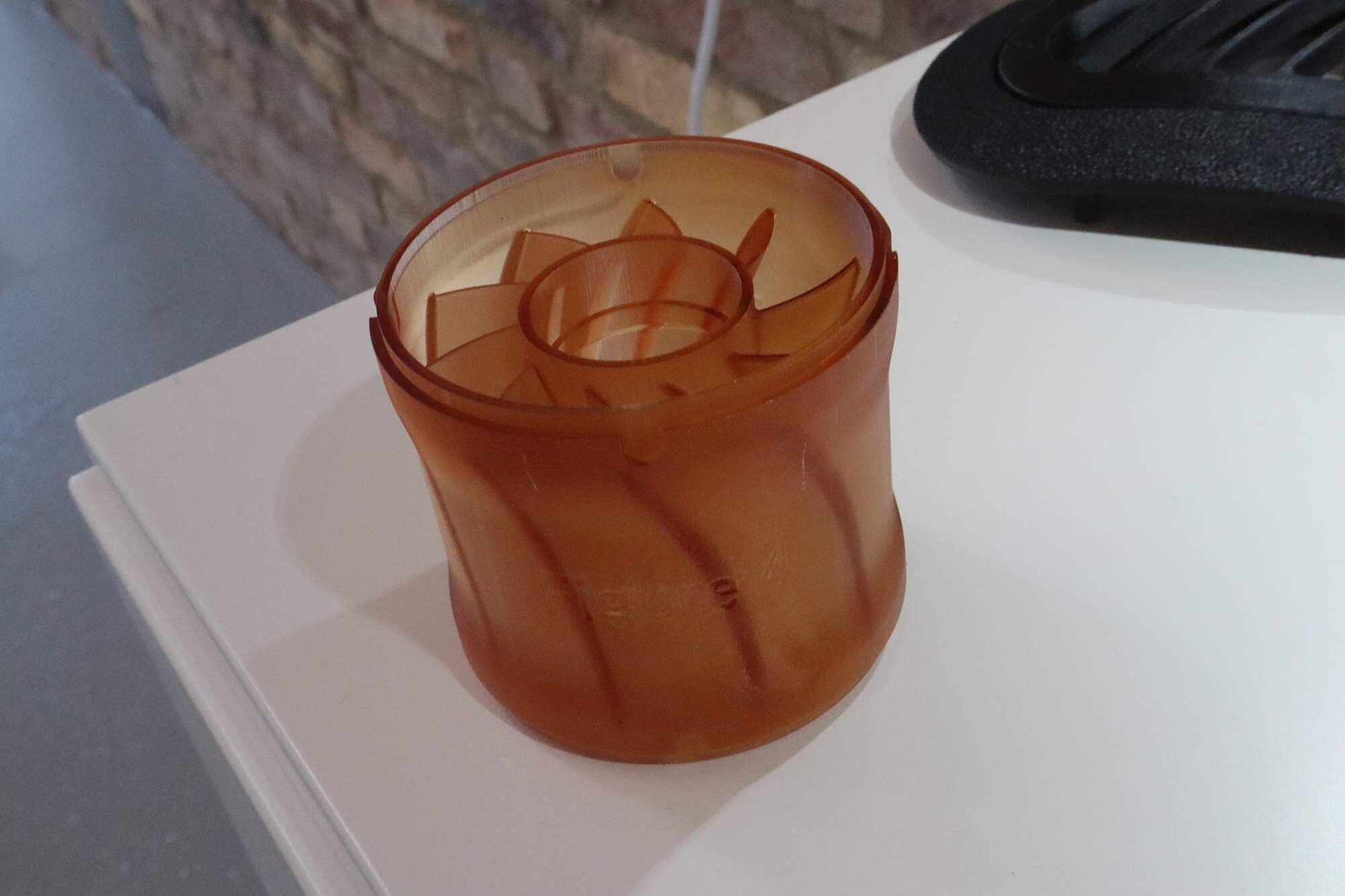
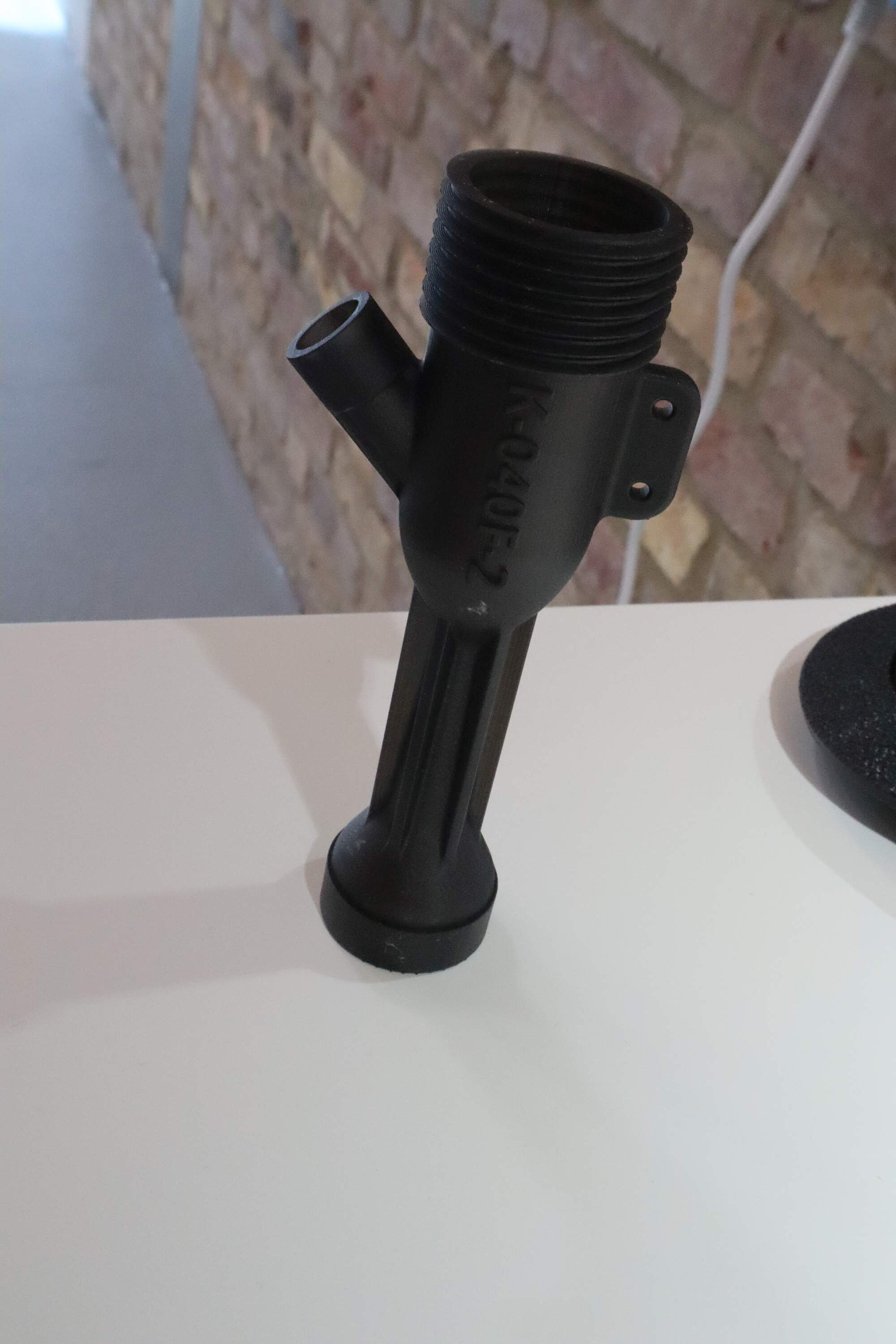
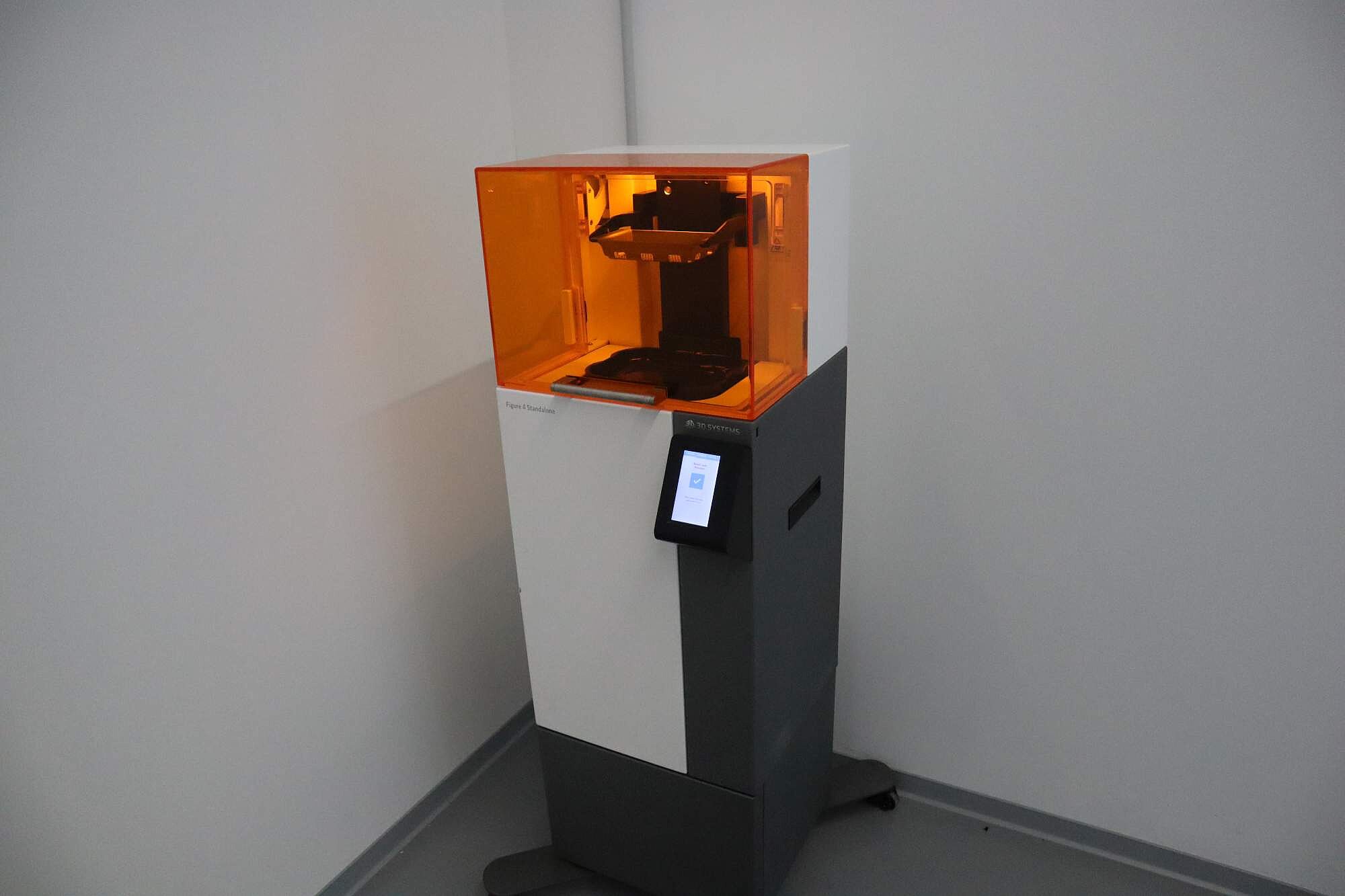
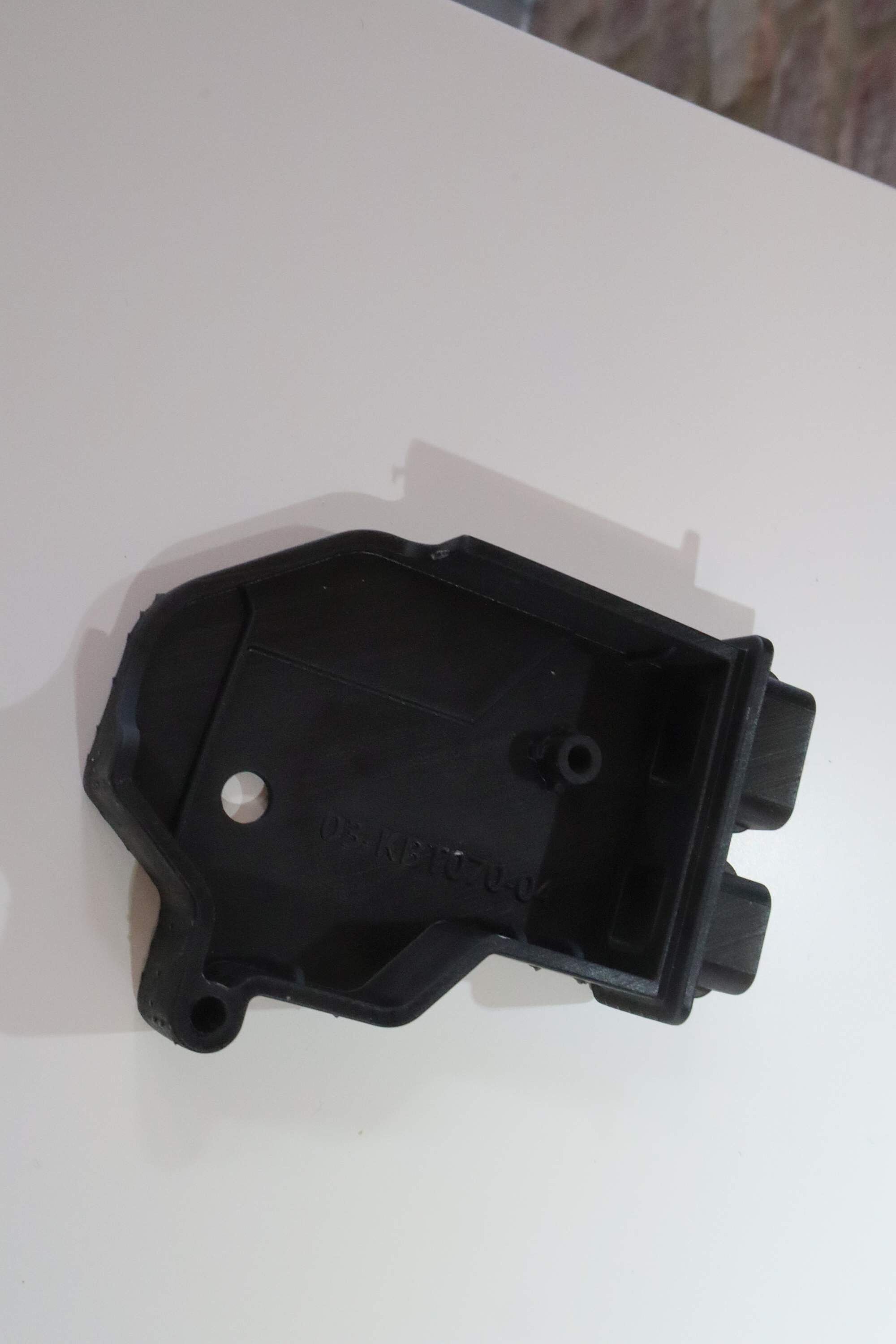
Examples of additively manufactured plastic parts
Frequently asked questions about additive manufacturing
Our FAQsWhich industries is additive manufacturing suitable for? What are the advantages over rapid tooling? And how much does it actually cost?
In our FAQs on rapid prototyping, you’ll find answers to the most important questions about the additive manufacturing of plastic parts.
Additive manufacturing components are frequently used in product development circles . In most cases, this involves discussions regarding a‘proof of concept’.
However, there are also instances where production aids need to be manufactured for certain products. Here too, components produced in advance using 3D rapid prototyping can be helpful for gauges and jigs used for ‘trial and error’, without having to incur the immense costs of series production using moulds right from the start.
In sectors that require plastic prototypes for testing (particularly for subsequent series-production components made from the original material), however, components produced using rapid tooling moulds are indispensable. Read more about rapid tooling here.
Plastic parts most commonly produced using additive manufacturing include:
- Housings (without specific surface finish requirements)
- Filler pieces, display models
- Demonstration samples and test pieces for functional testing, e.g. of locking mechanisms
This depends primarily on the volume of parts and, to a lesser extent, on the required surface finish. A rough guide is 20 ccm/h. Depending on the complexity of the machining, we can guarantee delivery times of between 1 and 5 days.
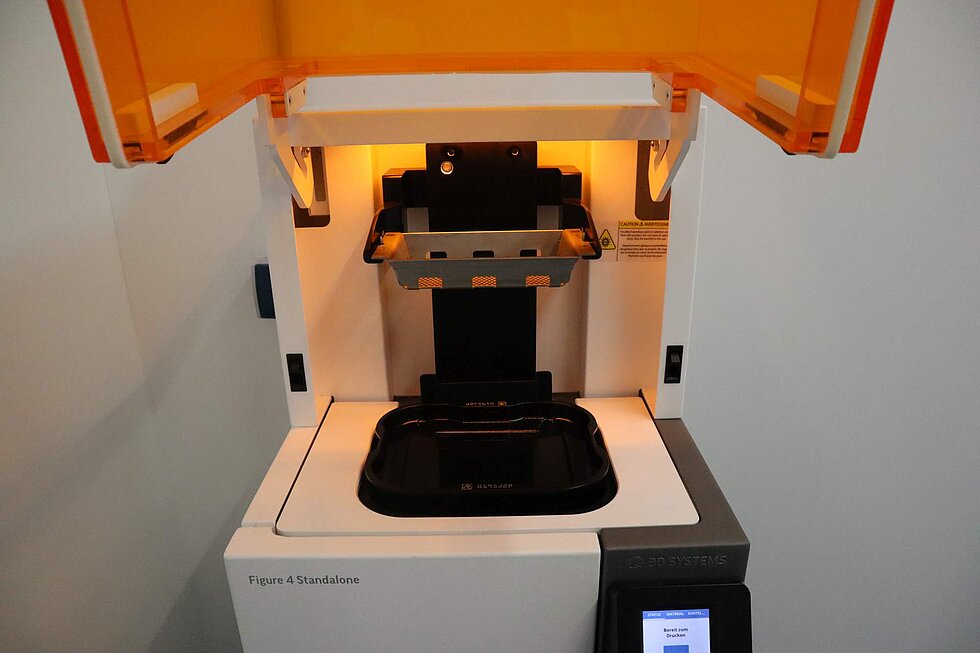
This depends on the available installation space. Our maximum dimensions are currently 510 mm x 510 mm x 400 mm.
The materials used for 3D rapid prototyping or the additive manufacturing of plastic parts include, amongstothers, epoxy-based materials, polymer plaster and PA12 thermoplastics. However, these only reflect the actual material properties of original injection-moulded materials to a limited extent.
The colour range is virtually unlimited. In some processes, transparent components can also be produced.
The use of aluminium in mould making significantly reduces tooling costs, particularly in the production of plastic prototypes and small batches. Furthermore, the fact that aluminium can be machined more quickly reduces production time and, consequently, the overall costs compared with steel moulds.
Additively manufactured components and prototypes can beused without any problemsfor non-mechanical tests .
We prefer 3D data in STEP format. IGES data can also be used in some cases.
In a direct comparison with the rapid tooling , component costs in additive manufacturing or 3D printing (rapid prototyping) are many times higher. However, there are no initial tooling costs or set-up costs. As a result, there is almost always a cost advantage when manufacturing a component in small batch sizes. We would be happy to provide you with a bespoke quote.
For proof-of-concept projects, thanks to rapid production of small batches.
For most of the plastic parts we are asked to produce, the quantity is up to around 200 pieces. However, this depends very much on the component.
Rapid prototyping is suitable for individual plastic prototypes or very small batch sizes.
Additive Manufacturing
or Rapid Tooling?
Does additive manufacturing sound interesting, but isn’t the right process for your needs? Then find out more about cost-effective rapid tooling, which allows us to produce 1,000 parts within 3 days, and prototype injection moulding, which is ideal for small batch sizes:
Find out more about rapid tooling
Discover prototype injection moulding
Do you have any questions about additive manufacturing, rapid prototyping or any of the other processes? Please contact us: